How to Research Companies for Better B2B Instagram Marketing (Using Apple as a Case Study)

Growing a B2B Instagram account requires more than posting product photos and motivational quotes. The brands that succeed on Instagram understand their target companies inside and out. They know who works there, what those people care about, and how to create content that speaks directly to decision-makers.
If you want to attract B2B clients through Instagram, you need to think like a researcher. This guide explains how to study companies like Apple to create smarter content strategies, target the right audience, and build relationships with people who have the power to say yes.
Why Company Research Matters for B2B Instagram Growth
B2B marketing on Instagram is different from B2C. You're not trying to reach millions of random followers. You need to connect with specific professionals at specific companies who can actually buy your product or service.
Let's say you run a design agency and want Apple as a client. Simply tagging Apple in posts or using #Apple won't cut it. You need to understand Apple's structure, values, and the people who make creative decisions.
Company research helps you:
- Identify the right people to target with your content
- Understand what challenges your potential clients face
- Create content that resonates with industry-specific problems
- Build credibility by demonstrating industry knowledge
- Find conversation starters for direct outreach
According to research from McKinsey, B2B buyers now spend 70% of their purchasing journey researching independently before ever talking to sales. Your Instagram content needs to be part of that research phase.

Breaking Down Company Structure and Employee Data
When researching a company like Apple, start by understanding its organizational structure. Large companies have departments, teams, and hierarchies that determine who makes buying decisions.
For example, if you sell marketing software, you don't need to reach Apple's engineering team. You need marketing managers, CMOs, and digital strategists. Understanding this structure helps you create content that speaks to the right audience.
Employee data reveals valuable patterns. How many people work in the marketing department versus the engineering? What titles do decision-makers hold? Are they hiring aggressively in certain areas? All of this information shapes your content strategy.
You can discover more about Apple employee structure through professional data platforms that aggregate publicly available information. These platforms show department sizes, job title distributions, and organizational hierarchies that help you understand who you need to reach.
This research approach works for any company. Whether you're targeting startups with 50 employees or enterprises with 50,000, understanding the internal structure guides your Instagram content strategy.
Using Company Research to Create Targeted Instagram Content
Once you understand a company's structure, you can create an Instagram content strategy that speaks directly to your target audience's pain points.
Let's continue with the Apple example. Say you discover that Apple recently expanded its marketing team by 30%. This information suggests they're investing heavily in new campaigns and might need tools or services to support that growth.
Your Instagram content could include:
- Case studies showing how similar-sized marketing teams streamlined workflows
- Tips for onboarding new team members quickly
- Content about scaling marketing operations
- Industry trends relevant to companies experiencing rapid growth
This targeted approach performs better than generic B2B content. Instead of posting "10 Marketing Tips Everyone Should Know," you create "How Growing Marketing Teams at Tech Companies Can Maintain Quality While Scaling." The second headline speaks directly to Apple's marketing team's current challenge.
Finding the Right People to Follow and Engage With
Instagram engagement still drives growth in 2026, even for B2B accounts. But engaging wastes time randomly. You need to interact with people who could actually become clients or referral sources.
Company research reveals specific employees you should follow and engage with. If you're targeting Apple, you might identify:
- Marketing directors who post about campaigns
- Product managers who share industry insights
- Designers who showcase their work
- Innovation leads who discuss new technologies
Following these individuals gives you context for creating relevant content. When you see Apple's marketing director posting about brand consistency challenges, that's your cue to create content addressing that exact problem.
Engagement should feel natural, not forced. Comment thoughtfully on posts. Share relevant insights. Add value before asking for anything. This relationship-building approach works better than cold DMs.
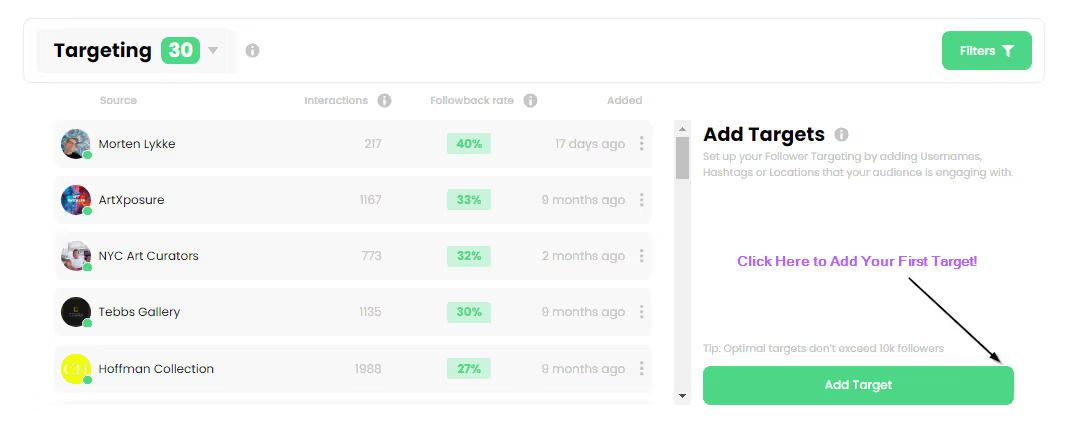
Tools like Kicksta can help you automate the discovery process by targeting followers of key accounts in your niche. Instead of manually searching for Apple employees on Instagram, you can set up targeting parameters that connect you with marketing professionals at major tech companies.
{{blog-cta-section}}
Studying Company Culture and Values for Better Content Alignment
Every company has a distinct culture that influences what content resonates with its employees. Apple values design excellence, innovation, and user experience. Content that demonstrates these values catches the attention of Apple employees more effectively than generic business content. Creating a content calendar could benefit greatly.
Research company culture through:
- Employee reviews on platforms like Glassdoor
- Company announcements and press releases
- Social media posts from current employees
- Blog posts and thought leadership content
- Product launches and how they're marketed
When you understand Apple values design minimalism, your Instagram aesthetic should reflect similar principles. Use clean layouts, thoughtful typography, and high-quality visuals. This alignment shows you "get it" without explicitly stating it.
Identifying Decision-Makers and Influencers
Not everyone at a company has buying power. Company research helps you distinguish between decision-makers and individual contributors.
At large companies like Apple:
- VPs and Directors typically have budget authority
- Managers influence decisions and make recommendations
- Individual contributors might use your product, but rarely purchase it
Your Instagram content strategy should acknowledge these different roles. Create content that helps individual contributors do their jobs better (building awareness) while also producing strategic content that addresses concerns of decision-makers (driving consideration).
For example, tactical tips about productivity might attract individual marketers at Apple. Strategic content tools about ROI measurement and team efficiency appeal to marketing directors who control budgets.
Tracking Company News and Announcements
Company research isn't a one-time activity. Successful B2B Instagram accounts continuously monitor target companies for relevant news and changes.
Set up alerts for:
- Leadership changes (new CMO could mean new vendor opportunities)
- Expansion announcements (growing teams need more tools)
- Product launches (creates new use cases for your service)
- Funding rounds (startups with fresh capital spend on growth)
- Award wins (shows company momentum)
React to this news with timely Instagram content. When Apple announces a major sustainability initiative, create content about how your product supports sustainable business practices. This relevance increases the chance Apple employees will notice and engage with your posts.
Combining Research with Instagram Growth Strategies
Company research maximizes the effectiveness of your Instagram growth tactics. Whether you use organic methods, paid ads, or growth tools like Kicksta, research ensures your efforts target the right audience.
For organic growth:
- Follow employees from target companies
- Engage with their content consistently
- Use industry-specific best hashtags they follow
- Create content addressing their challenges
For paid advertising:
- Target by job title and company size
- Use demographics matching your ideal customer
- Create custom audiences based on engagement
- Retarget website visitors from target companies
For automated growth with Kicksta:
- Set target accounts to competitor or complementary brands
- Filter by relevant hashtags in your industry
- Define geographic parameters matching your service area
- Monitor which targets generate the most qualified followers
The research ensures all these tactics focus on people who could actually become clients, not just vanity metrics.
Measuring Success Beyond Follower Count
B2B Instagram growth isn't about hitting 100K followers. Success means connecting with the right people and moving them toward business conversations.
Track metrics that matter for B2B:
- Follower quality (percentage working at target companies)
- Engagement from decision-makers specifically
- DMs and comments from qualified prospects
- Website traffic from Instagram to key pages
- Email signups from people at target companies
Company research helps you evaluate these metrics properly. If you know 500 employees work in Apple's marketing department, and 50 of them now follow your Instagram account, you've reached 10% of your target audience at one company. That's a meaningful benchmark traditional metrics wouldn't reveal.
Building a Sustainable Research Routine
Don't try to research every target company in one day. Build a sustainable routine:
Weekly: Review target company news and social media activity
Monthly: Deep dive into 2-3 priority companies
Quarterly: Refresh organizational data and decision-maker lists
Annually: Evaluate the target company list and research approach
This routine keeps your Instagram content relevant without overwhelming your schedule. Even 30 minutes weekly reviewing company updates can spark content ideas that resonate with your target audience.
Conclusion
B2B Instagram growth requires more than pretty photos and trending audio. Understanding target companies through systematic research creates content that attracts qualified followers and builds relationships with decision-makers.
Whether you're targeting Apple, Microsoft, or hundreds of small businesses, the research principles remain the same. Study organizational structure, identify decision-makers, understand company culture, and create content that addresses real challenges.
Combine this research with consistent Instagram activity and smart growth strategies. The companies that master this approach turn Instagram from a vanity metric platform into a genuine B2B lead generation channel.






.jpg)