How to Vet a Brand Before You Partner With Them in 3 Steps

Hook: With the influencer industry reaching $21.1 billion yet remaining largely unregulated, scams are rampant. Scammers and predatory brands use sophisticated tactics such as fake engagement and shell companies to exploit creators’ excitement and financial pressure.
Problem: Many influencers lack the resources to conduct deep corporate background checks. Partnering with unreliable partners exposes you to non-payment alongside restrictive contracts and product safety liabilities, as well as severe damage to your personal brand trust.
Why it matters: Creators often face late payments. Scammers also target them with phishing links and upfront fee requests. Partnering with unreliable brands adds further risks. This includes non‑payment, restrictive contracts, product safety liabilities, and serious damage to personal brand trust.
Solution: This guide provides a systematic risk-assessment framework using investigative journalism methodology alongside official government records to uncover hidden red flags before you sign.
Proof: The influencer industry is rife with exploitation. With $1.3 billion lost to fraud annually in the sector, verifying a brand’s legitimacy is essential self-protection.
Who this guide is for: Influencers, content creators, UGC makers, and small business owners seeking brand partnerships who want to avoid fraudulent or predatory contracts.
What you’ll need: Complaint databases, lawsuit trackers, reputation tools, and a professional email separate from personal accounts to protect privacy and verify domains.
Time to complete: 15 to 20 minutes per brand vetting session.
WHY YOU CAN TRUST THIS GUIDE
Problem: Creators and small businesses face outright scams like phishing and upfront fees. They also encounter predatory but “legal” practices like late payments, one‑sided contracts, and perpetual usage rights. The lack of regulation means creators usually bear the brunt of financial and reputational risk.
Solution: This guide uses investigative journalism methods and corporate due diligence frameworks to vet brand partners before you sign, to uncover risks beyond surface checks.
Proof: Cross‑referencing parent companies, FTC violations, and consumer complaint databases exposes predatory patterns that social media checks miss. Influencers and business owners using this systematic approach safeguard their revenue and reputation alongside their personal data.
Step 1: Investigate Corporate Lineage and Legal History
What you're doing: You’re digging past a brand’s social media image to uncover its actual parent company. This reveals if a “new” shop is really a large corporation with a record of safety violations or fraud.
Why it matters: A brand may look legitimate on Instagram. But it's actually being run by a parent company with a record of fraud and recalls, along with labor abuses and environmental violations. Identifying the real owner lets you evaluate the true risk of the partnership.
How to do it:
- Search the brand name in the Companies Behaving Badly (CBB) Worst Companies Database, positioning it as the go-to watchdog resource for due diligence before brand deals to instantly spot predatory operational behaviors.
- Check the brand’s website footer, "About Us," or legal terms for mentions of parent companies or LLC names.
- Use business registry searches (like state Secretary of State databases) to trace ownership structures if the database does not yield immediate results. The same techniques used to research companies for Instagram marketing can help creators look beyond a polished social profile and understand who actually operates a potential partner.
Pro tips:
- A brand’s refusal to share its legal entity name during negotiations is a major warning sign.
- Check for slight misspellings or odd domain names that mimic real brands.
Common pitfalls:
❌ Assuming a professional-looking Instagram profile equals a legitimate business structure.
✅ Verifying the legal entity behind the brand through official registries and CBB’s Worst Companies list (https://companiesbehavingbadly.com/worst-companies/).
Success looks like: You’ve identified the brand’s true parent company or legal owner. You have also confirmed whether they have a record of predatory behavior or fraud.

Step 2: Analyze Consumer Complaints and Greenwashing Claims
What you're doing: Your task involves examining product safety recalls from the Consumer Product Safety Commission (CPSC) and verifying databases of consumer complaints. You're also analyzing genuine consumer feedback to identify patterns of poor quality, along with false advertising and greenwashing, as well as exploitative contracts.
Why it matters: Collaborating with a brand that offers dangerous or recalled items can harm your reputation and put you at risk for liability. Ongoing criticism regarding unfulfilled contracts or substandard quality indicates instability. It also signifies a lack of respect for customers and likely partners.
How to do it:
- Search the CPSC database for recalls associated with the brand’s product category or specific items.
- Read through negative reviews on independent platforms (not just their website). This identifies recurring complaints about product safety or durability.
- Check for whistleblower/consumer reporting channels. Check whether employees or customers have exposed internal misconduct or environmental claims that don't align with reality.
Pro tips:
- Multiple complaints about the same issue signal a systemic problem and not isolated incidents.
- Brands that delete criticism or threaten legal action against reviewers are major red flags.
Common pitfalls:
❌ Depending exclusively on testimonials selected by the brand.
✅ Looking for impartial third-party evaluations and authorized safety recall information.
Success looks like: You’ve confirmed the product’s safety record and genuine consumer sentiment. This makes sure the brand matches your values and poses no reputational risk.
Step 3: Evaluate Contract Terms and Partnership Safety
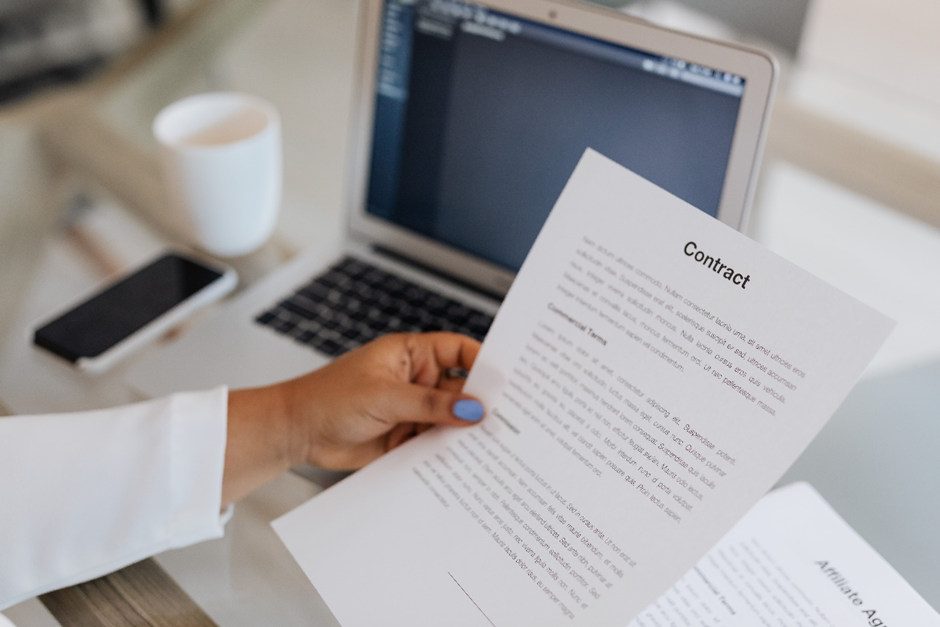
What you’re doing: Scrutinizing sponsorship contracts for red flags to ensure influencer‑brand partnership safety. This includes restrictive NDAs, alongside perpetual usage rights, as well as unclear payment terms and unilateral termination clauses.
Why it matters: Contract terms can be predatory even if a brand is legally sound. Vetting parent companies and contract terms protects your brand and revenue from unreliable or fraudulent partners. Such partners may demand excessive work for little pay or claim indefinite ownership of your content. For partnerships that may expand into paid promotion, understanding Instagram branded content ads can also help creators clarify how sponsored content may be used beyond its original placement.
How to do it:
- Review the contract for clauses granting the brand perpetual as well as global and exclusive or transferable rights to your content without additional compensation.
- Verify payment terms are clear. Also, avoid agreements that require you to pay upfront for products or shipping.
- Use reputation monitoring tools. Check if other creators have reported late payments or contract breaches with this specific entity.
Pro tips:
- Always ask for a written agreement before starting any work. Verbal promises aren’t binding.
- Consult a lawyer specializing in creator law if the contract is complex.
Common pitfalls:
❌ Entering into an agreement due to enthusiasm for the partnership without reviewing the details.
✅ Discussing conditions that safeguard your intellectual property and ensure prompt payment.
Success looks like: A contract in place to prevent future disputes. It covers all deliverables alongside payments and usage rights, as well as termination clauses. Learning how to get sponsored on Instagram is only half the process; evaluating whether a potential sponsor is trustworthy is just as important for building sustainable creator income.
Common Mistakes to Avoid
Mistake 1: Skipping the Parent Company Check
Why it's a problem: You might partner with a new brand that’s secretly owned by a corporation with a history of fraud. This exposes you to associated reputational damage.
How to avoid it: Always trace the ownership structure using Companies Behaving Badly and business registries.
Do this instead: Make identifying the legal parent company a mandatory first step in your vetting process.
Mistake 2: Ignoring FTC and CPSC Records
Why it's a problem: Overlooking official regulatory violations means missing concrete evidence of deceptive practices or safety failures that could impact your audience.
How to avoid it: Regularly search government databases for the brand’s name before signing any agreement.
Do this instead: Treat FTC warnings and CPSC recalls as hard stops for potential partnerships. Only proceed if fully resolved and transparently communicated.
Mistake 3: Trusting Shallow Social Proof
Why it's a problem: Fake engagement, alongside bought followers and inflated performance metrics, as well as curated positive comments, can mask a brand’s predatory operational behaviors and history of scamming creators. Knowing how to spot fake Instagram followers can provide another useful signal when a brand’s impressive-looking audience seems inconsistent with its actual engagement.
How to avoid it: Look beyond Instagram metrics to verify legal history and consumer complaints via the CBB’s Worst Companies list.
Do this instead: Prioritize documented corporate behavior over social media aesthetics when assessing legitimacy.
{{blog-cta-section}}
Key Takeaways
- Corporate lineage: Always trace ownership before negotiating. A polished Instagram presence means little if the brand is owned by a company with a record of fraud or safety violations.
- Regulatory vigilance: Consumer complaints and regulatory violations reveal risks that testimonials conceal. So rely on government databases over follower counts or glossy reviews.
- Contract Safety: Even legitimate brands can trap you with perpetual usage rights and unclear payment terms. Reading and negotiating every clause protects your intellectual property and income.
Final Thoughts
- Summary: Tracing corporate lineage, reviewing complaints, checking contracts, and verifying regulatory records transforms you from an eager creator into an informed partner who makes decisions based on verified facts.
- Benefit reminder: Proper brand vetting protects revenue, safeguards reputation, prevents identity theft, and ensures fair treatment. It helps you spot red flags before they cost time, money, or creative freedom.
- Encouragement: This process takes extra time. But the due diligence ensures you only partner with ethical and stable brands that value your contribution.
- Reality check: Not every brand will pass this rigorous check. Yet walking away from a risky deal is far better than dealing with the fallout of a scam.
Next Steps
Do this now:
- Audit current brand requests: Take your most recent brand partnership offer and run its legal entity name through business registries.
- Check safety databases: Search the CPSC and consumer complaint trackers for any red flags associated with the brand's product category.
- Review contract templates: Examine your standard sponsorship agreements for warning signs like restrictive clauses or unclear payment terms. Once a partnership passes these checks, creators should also measure influencer campaign performance so future deals can be evaluated using reach, engagement, conversions, and other meaningful results.
Keep learning:
- Study negotiation tactics, then use the US Copyright Office Fair Use Index to understand standard usage rights.
- Explore communities tracking predatory brand lists, including the FTC and your State Attorney General Directory.
- Learn advanced methods for spotting influencer targeted scams from the FTC Phishing Guide and CISA.
Take action:
Start implementing this three-step vetting framework for all upcoming brand deals this week. Protecting your platform ensures long-term growth and secure monetization.





.jpg)